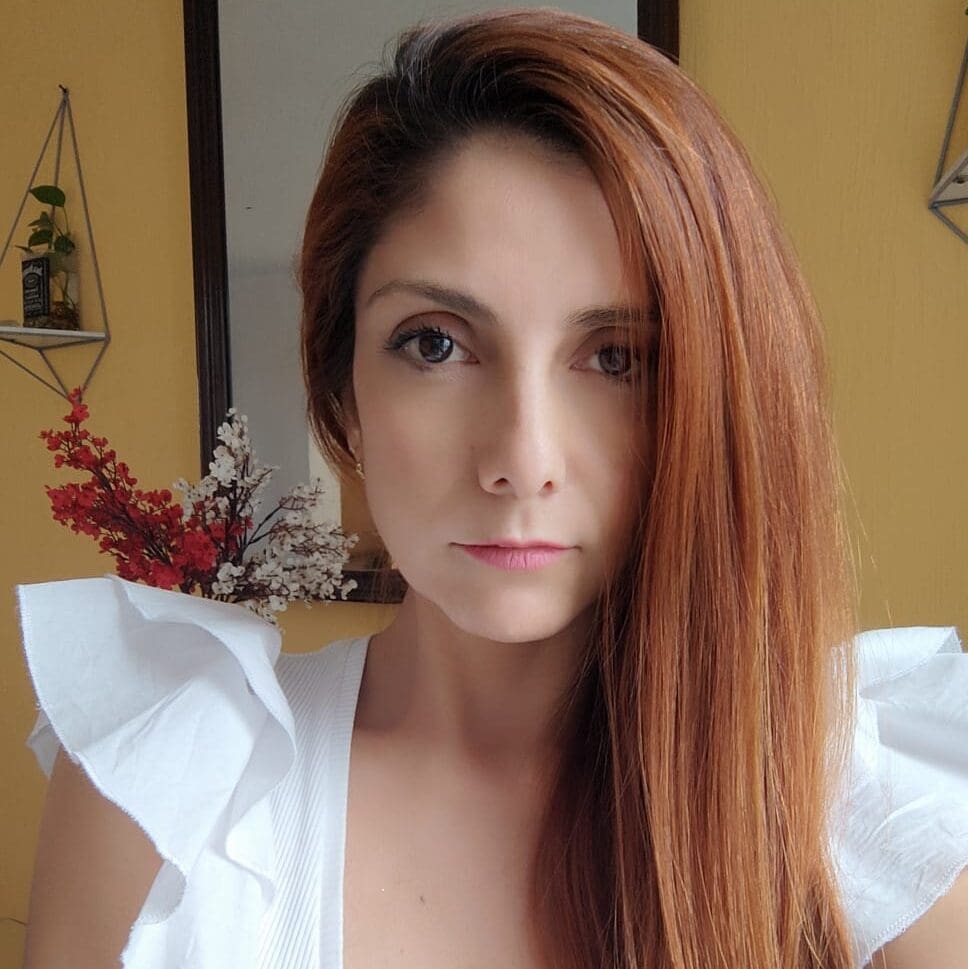
Nicolás Maduro’s Socialist Regime Sentences 65-Year-Old Physician Marggie Orozco to 30 Years in Prison for a WhatsApp Voice Message Criticizing the Regime and Urging Neighbors to Vote in the July 2024 Elections

The socialist dictator Nicolás Maduro has orchestrated a 30-year prison sentence — the maximum penalty in Venezuela — against Dr. Marggie Orozco, a 65-year-old general practitioner suffering from serious health problems.
This verdict, handed down on November 17, 2025, by Judge Luz Dary Moreno of the 4th Trial Court of the Criminal Judicial Circuit in the state of Táchira, is based on fabricated charges such as “treason against the homeland,” “incitement to hatred,” and “conspiracy.”
All of this for a simple WhatsApp voice message in which Orozco criticized the irregular distribution of domestic gas cylinders by the Local Supply and Production Committees (CLAP) — clientelist structures loyal to Chavismo — and encouraged her neighbors to participate in the presidential elections of July 28, 2024, a process blatantly rigged by Maduro to cling to power despite the overwhelming victory of the opposition.
Orozco was detained on August 5, 2024, in San Juan de Colón, near the border with Colombia, amid the post-election crisis that unleashed massive protests against the evident fraud.
A CLAP leader loyal to the regime reported her to the authorities — part of a neighborhood surveillance system that Maduro has actively promoted through mobile apps that allow citizens to denounce “fascists” (his euphemism for any dissident) in exchange for subsidized food bonuses.
After her arrest by the Bolivarian National Police, Orozco suffered a heart attack on September 15, 2024, while in custody, yet she was returned to prison the very next day despite her critical condition. She has suffered from chronic depression since 2013, worsened by the tragic loss of two of her children: one murdered during an attempted robbery and the other killed in an accident.
Today, imprisoned at the Western Penitentiary Center in Santa Ana, Táchira, her health continues to deteriorate without proper access to medication or family visits, effectively turning this sentence into a slow death penalty.
This case is not an isolated incident but rather one more cog in the repressive machinery that tyrant Maduro has perfected to silence every critical voice. According to Foro Penal, Venezuela currently holds 882 political prisoners, both civilians and military personnel — a figure that skyrocketed after the fraudulent elections: more than 2,400 initial arrests, of which around 2,000 were released months later under international pressure, yet leaving behind a trail of terror.
Organizations such as Justicia, Encuentro y Perdón and the human rights committee of María Corina Machado’s Vente Venezuela party have denounced flagrant violations of the right to freedom of expression — rights guaranteed by the Venezuelan Constitution and international treaties that Chavismo tramples without shame.
The judicial process against Orozco was riddled with irregularities: no adequate defense guarantees and clear political pressure, as detailed by the Committee for the Freedom of Political Prisoners of Venezuela (Clippve).Maduro’s regime, a faithful heir to Hugo Chávez’s destructive legacy, has transformed Venezuela into an open-air prison where expressing an opinion is a capital offense.
This so-called 21st-century socialism distributes not wealth, but misery and fear: runaway hyperinflation, chronic shortages, and a justice system turned into an instrument of vengeance.
Orozco’s sentence exemplifies how the dictator uses the state apparatus to punish the most vulnerable — women, the elderly, the sick — while his accomplices in the CLAP networks and the courts enrich themselves on the suffering of others.
The international community must act with urgency: harsher sanctions against Maduro and his henchmen, and unrelenting pressure for the immediate release of all political prisoners. Only then will the memory of victims like Orozco be honored — a woman whose only “treason” was to defend the democracy that Chavismo has murdered.
About The Author