
Support Joe’s Work
ABLECHILD: Experimental Psychedelic Ketamine Cocktail Blamed in Wyoming Murder/Suicide
Experimental Psychedelic Ketamine Cocktail Blamed in Wyoming Murder/Suicide
Republished with permission from AbleChild.
It’s been more than a year since the horrific murder suicide carried out by Byron, WY., mother Tranyelle Harshman. Harshman shot and killed her four young daughters before taking her own life and, not surprisingly, Harshman’s mental health is being blamed for the tragedy.
AbleChild believes Harshman’s numerous mental health problems may be directly connected to the psychiatric “treatments” the 32-year-old received throughout her short life and is hopeful this lawsuit will reveal the exact “treatment” drug cocktails provided to Tranyelle that may have brought her to this tragic deadly end.
In fact, seven months after the death of her daughter and four granddaughters, a heartbroken Rhonda Coplen, the mother of Tranyelle, filed a wrongful death lawsuit against Sage Psychiatry Services, LLC., and the behavioral health company’s nurse practitioner, Krista Blough. The suit is centered around the clinic’s decision to prescribe Ketamine, the anesthetic-like experimental substance, for at-home use without medical supervision.
According to news reports about Sage Psychiatry Services, Blough met with Harshman in person and prescribed Ketamine lozenges to take at home. It is further reported that Harshman “suffered from heart palpitations, had difficulty focusing, and felt disconnected from reality for days after taking the drug.” And it has been reported that prior to shooting her children Harshman took “her increased dose of Ketamine.”
The toxicology report showed that the level of Ketamine in Harshman’s blood “was more than four times the threshold reported in studies for mind-altering effects and physical impairment.” It should be noted that the milligram prescribed is unknown at this point, but low dose lozenges typically range from 10mg to 50 mg and everything in between up 800mg for high doses.
Further, a pharmacist must compound the drug as Ketamine has not been approved for use by the Food and Drug Administration (FDA) for treatment of psychiatric disorders and, according to FDA warnings, Ketamine should only be used under the direct supervision of a healthcare provider. So, any use of Ketamine for psychiatric purposes is done “off label,” which means the FDA has identified no specific mental disorder for treatment or guidance on dosage for the drug.
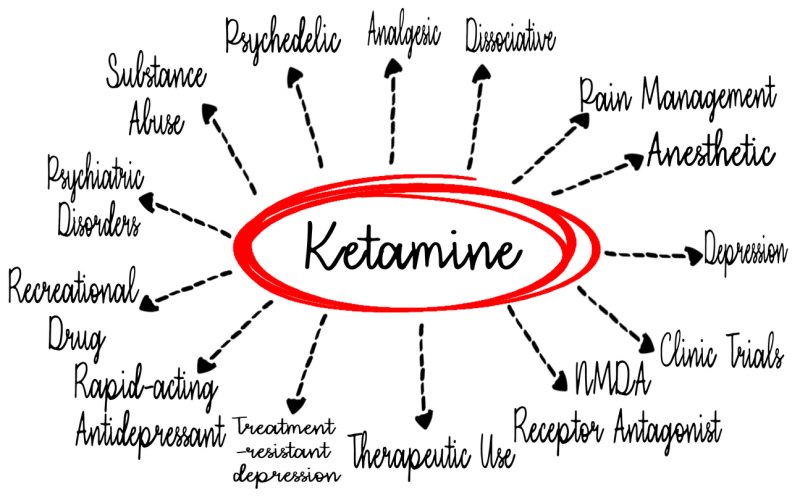
What is known about Ketamine is that it can have adverse effects associated with respiratory, cardiovascular, dissociative effects and organ toxicity. The experimental drug is classified as a Schedule III controlled substance with moderate to low potential for physical and psychological dependence. Ketamine has a history of being used as an anesthetic and is rapid-acting with common side effects including hallucinations, delirium and irrational behaviors.
Beyond Ketamine, Tranyelle also was prescribed Clonazepam (klonipin), a benzodiazepine which acts as a central nervous system depressant. Some of the side effects associated with clonazepam are memory impairment, confusion, irritability, increased depression, suicidal thoughts and behaviors. Clonazepam is not approved by the FDA for the treatment of Post Traumatic Stress Disorder (PTSD) so if it was prescribed by Sage for Harshman’s PTSD, both drugs (Ketamine and Clonazepam) were prescribed “off label.”
Harshman’s mother is suing the prescribing clinic for failure to meet the medical standard of care, failure to adequately warn of “extreme risks” with unsupervised home use, improper assessment of Harshman’s suitability for taking Ketamine and questioning the at-home Ketamine prescription of Lozenges to be taken “as needed.” Attorneys for Sage Psychiatry Services and Krista Blough deny the charges.
What is of interest is that in the defendant’s response it is contended that Harshman was “adequately informed of the risks, benefits and alternatives” of the Ketamine treatment and consented to the treatment. If it is true that Ketamine is a last hope “treatment” for patients who are considered “treatment resistant,” and suggesting that the mental illness was on-going, serious and life altering, then how can one really be able to provide their consent to such an experimental “treatment?”
“Treatment resistant” suggests that every other form of mental health therapy including drugs had been tried and failed. The question that never gets answered is what exactly Harshman’s mental health history was, including all the drug cocktail “treatments” that had been tried and failed prior to the last hope Ketamine.
Of course, the defense is suggesting in its denial that Harshman’s actions may have been caused “by third parties or from pre-existing conditions.” Do these attorneys mean pre-existing mental disorder conditions Sage was trying to “treat?” Of course, it’s the mental disorder that made Harshman go on a murderous rampage, never the mind-altering drugs prescribed as “treatment.”
AbleChild wonders how many times psychiatry will get away with this baseless excuse. It’s so easy to say violence is caused by a mental disorder that cannot be identified as an abnormality in the brain. In fact, Sage Psychiatry Services, if requested, could not identify any objective, confirmable abnormality that was being “treated” with Ketamine or Clonazepam.
The only thing Sage Psychiatry Services could guarantee, like all psychiatric drug “treatments,” is that the Ketamine would alter Harshman’s behavior. Sage Psychiatry Services could not guarantee whether the altered behavior would be positive, nor could Sage guarantee that Harshman would not experience serious adverse events associated with the Ketamine/Clonazepam drug cocktail.
The FDA readily admits in the Mechanism of Action for the benzodiazepine prescribed to Harshman that “the precise mechanism by which clonazepam exerts its antiseizure and antipanic effects is unknown.” The FDA hasn’t got a clue how the drug “works” as “treatment.” And the FDA also advises that “adverse psychiatric events have occurred and/or persisted days to weeks after ketamine exposure.”
More interesting, though, is that the FDA also warns that “Concomitant use of ketamine with opioid analgesics, benzodiazepines, or other central nervous system (CNS) depressants, including alcohol, may result in profound sedation, respiratory depression, coma, and death.”
It’s anyone’s guess how much clout the psycho/pharma industry uses to try and quash the suit will be revealed when the trial against Sage Psychiatry Services begins. If the case isn’t settled before trial, will the judge allow Harshman’s mental health and psychiatric drug history to be publicly released? And, ultimately, will this trial finally move the Wyoming legislature to address the serious drug problems facing the state.
Last year lawmakers rejected legislation that would have made it mandatory for psychiatric drug information from autopsies conducted by the state to be collected and create a database of that information that may reveal whether the state is experiencing a prescription drug problem. The database also might reveal a pattern of specific prescription drugs associated with these murder/suicides.
It’s important to point out that Wyoming holds the dubious distinction of being 2nd in the United States for number of suicides, leading one to wonder why there is a reluctance to collect psychiatric drug data when the state consistently rates at the bottom (51st in US) for overall mental health, including high rates of mental illness and a heavy reliance on pharmaceutical (drug) intervention.
Tranyelle Harshman was a recipient of Wyoming’s mental health system that apparently is in crisis. It’s fair to say, by any measure, that the mental health care Harshman received tragically failed. What do state lawmakers intend to do about it, and will they finally adopt the much-needed drug database to understand what might be contributing to these tragic deaths across the state?
Be the Voice for the Voiceless
AbleChild is a 501(3) C nonprofit organization that has recently co-written landmark legislation in Tennessee, setting a national precedent for transparency and accountability in the intersection of mental health, pharmaceutical practices, and public safety.
What you can do. Sign the Petition calling for federal hearings!
Donate! Every dollar you give is a powerful statement, a resounding declaration that the struggles of these families will no longer be ignored. Your generosity today will echo through generations, ensuring that the rights and well-being of children are fiercely guarded. Don’t let another family navigate this journey alone. Donate now and join us in creating a world where every child’s mind is nurtured, respected, and given the opportunity to thrive. As a 501(c)3 organization, your donation to AbleChild is not only an investment in the well-being of vulnerable children but also a tax-deductible contribution to a cause that transcends individual lives.