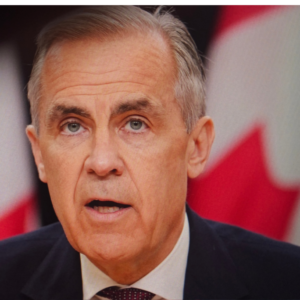
Mark Carney secures absolute majority in Canada after decisive snap election
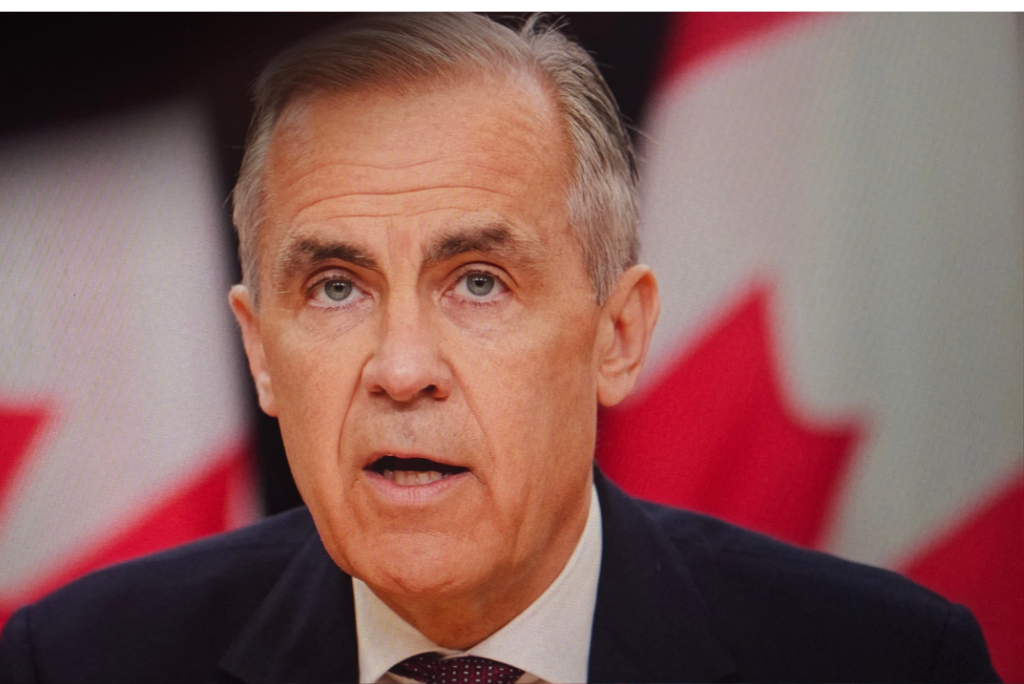
Canada’s prime minister, Mark Carney, has consolidated his political power after securing an absolute majority in the snap elections held Monday night, in a result that reshapes the country’s institutional landscape and strengthens his ability to govern without relying on agreements with other parties. The victory comes amid economic uncertainty, the fatigue of previous administrations, and growing public concern over security, inflation, and the overall direction of the country.
Carney, who assumed leadership during a delicate transition, has managed to capitalize on the electorate’s desire for stability. His campaign focused on restoring institutional order, strengthening the national economy, and bringing predictability back to executive decision-making. In contrast, a fragmented opposition failed to present a coherent message or a solid alternative, making it easier for the current prime minister to expand his support base.
The results, confirmed after the official count, show a clear advantage for his party in several key provinces, particularly where urban and middle-class voters played a decisive role. Voter turnout, while moderate, reflected significant interest in what many considered a crucial election for the country’s immediate future. The campaign was marked by intense debates on fiscal policy, public spending control, and the role of the state in the economy—issues that Carney addressed with a technical and disciplined approach.
One of the decisive factors in this election has been the international context. Canada is not immune to global tensions, migration pressures, and economic challenges stemming from instability in other markets. In this regard, Carney has defended a more cautious foreign policy, emphasizing economic sovereignty and the strengthening of national institutions against external influence. This stance has been well received by sectors demanding greater control and clarity in the country’s strategic decisions.
Domestically, the new government now faces the challenge of meeting the expectations it has generated. The absolute majority provides room for maneuver but also increases responsibility. Among its priorities are spending restraint, improved public security, and a review of migration policies that have sparked debate in recent years. Citizens have sent a clear message: less improvisation and more effective governance.
However, consensus is not universal. Critics warn of the risks of excessive concentration of power and call for stronger oversight mechanisms. Even so, Canada’s democratic system includes institutional checks and balances that, in theory, ensure equilibrium between branches of government. The key will lie in how the executive uses its majority and whether it opts for inclusive governance or a more unilateral approach.
In this new scenario, Canada joins a broader trend seen across Western democracies: voters are rewarding leaders who promise order, stability, and management over vague ideological narratives. Politics is increasingly measured by tangible results rather than abstract promises.
Carney’s victory also exposes the weaknesses of a left that, in many cases, has prioritized agendas disconnected from citizens’ real concerns. The lack of focus on issues such as security, cost of living, and institutional stability has taken its toll. When politics drifts away from reality, voters respond by seeking alternatives that offer certainty.
Ultimately, these elections not only consolidate Carney’s position in power but also send a broader message about the direction citizens demand: order, responsibility, and respect for institutions. Once again, the left pays the price for its disconnect from society, leaving space for leaderships that, rightly or wrongly, promise to restore control to governments and stability to nations.
About The Author