
NEW: PA Supreme Court Ruling – Election Cast Vote Records (CVR) Must Be Made Public – VerityVote & Plaintiffs Win
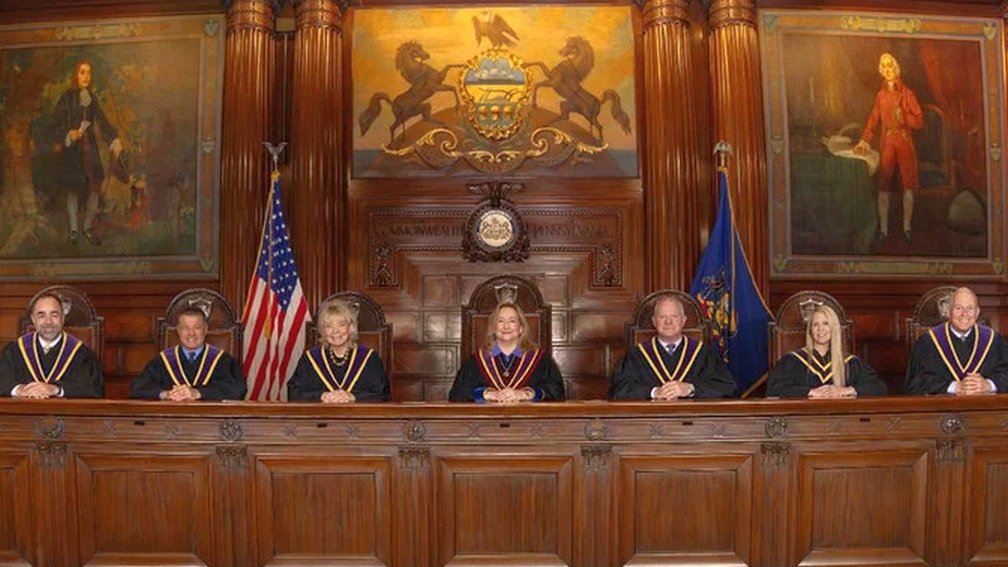
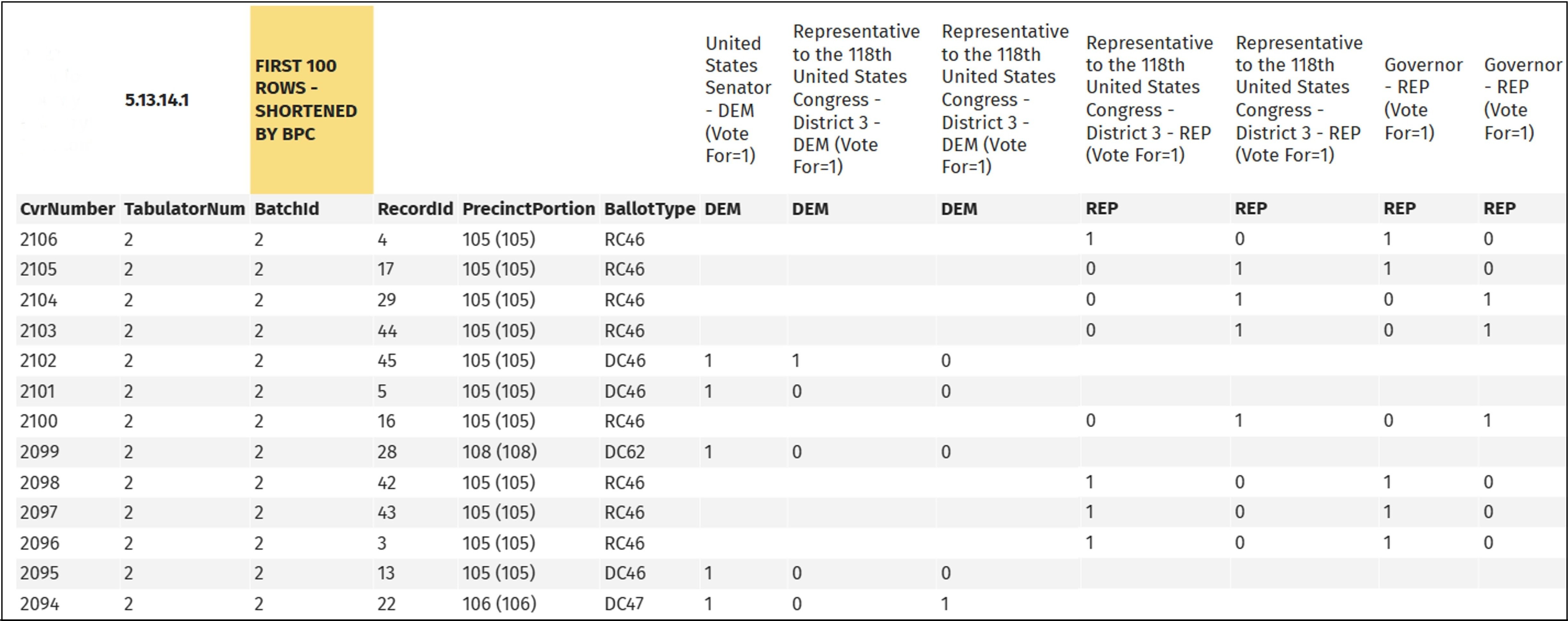
In 2021, Heather Honey from VerityVote asked Lycoming County, PA, for their 2020 election Cast Vote Records. She was denied. Over five years, they have battled with the county Office of Open Records and three different court jurisdictions. Yesterday, the Pennsylvania Supreme Court ruled that CVR files must be made publicly available. The CVR file is essentially a receipt of everything the tabulator machine scanned. The full opinion is here.
A short recap: Each election ballot is fed into a tabulator machine, which counts the voter’s intent by scanning. Election jurisdictions have several tabulators at counting locations. Each tabulator keeps an internal record of how many ballots it processed and other key data. This includes timestamps, precinct info, and other data like the number of bubbles it counted for President DEM, President REP, Senate1 DEM, Senate1 REP, Senate2 DEM, and so on. The CVR record serves a similar purpose to cash register close-out slips used by stores.
Typically, data from the tabulators flows to the county’s EMS server (Election Management System). From there, it goes to the State system and then onto Edison Research, which merges all the U.S data. Edison then provides it to the National Election Pool of news organizations. This group broadcasts the election results we see on TV. CVR files are the farthest upstream source of voting data. They can prove spikes in voting for a specific candidate, when they happened, and from which tabulators. They can prove if results were manipulated downstream, in the systems mentioned above.
The first court, Lycoming County Trial Court, said CVR’s should be made public, and their disclosure does not violate ballot secrecy. They said Honey lacked standing because she did not live or vote in Lycoming County. The court ruled that the 3 intervenors from Lycoming County did have standing. This included a local businessman, a retired state trooper, and Republican state Rep. Joe Hamm.
Next was the Commonwealth Court (En Banc). The majority reversed the lower trial court ruling. They said CVRs are not public information. They are the digital equivalent of ballots and are exempt. Judges McCullough and Wallace dissented, saying disclosure supports transparency without harming secrecy.
Last was the PA Supreme Court. They made several statements affirming that CVR’s are explicitly subject to public inspection and the CVR files must be turned over immediately. The Democratic-majority Court said its unanimous decision was a way to “satisfy the voting public that our elections are safe, secure and accurate”.
The court went on to say that CVRs lack any voter-identifying info, and the risk of releasing CVR info is no greater than the published election results. The Lycoming Office of Open Records originally denied Honey’s request, stating that CVR files are the equivalent of inspecting a ballot box. Lawyers representing the county used the same argument throughout the 3 court jurisdictions. They also proclaimed tabulators were equivalent to the machines people use to cast their vote. The Court ruling said NO, they are not.
According to VerityVote, “The justices carve out consideration for CVRs that aren’t randomized. Nobody really thinks about this issue properly. There is a line of thinking that you can keep the CVR from the public if there is an edge case where the voter of a ballot can be reasonably guessed. What they miss is that ballot secrecy does not exist to keep information from the public but rather from the state. If the state builds a voting system that allows them to identify voters of a ballot, they are the ones doing something wrong, not the people asking for public information.”
VerityVote is a premier provider of election integrity and many other professional investigations. Their “open source” work has been exceptional for years. In August of 2025, the founder of VerityVote, Heather Honey, was hired by DHS to work on election integrity issues. She is the Deputy Assistant Secretary for Elections Integrity in the department’s Office of Strategy, Policy, and Plans.
Since her DHS hiring, the Associated Press, NPR, and many other biased outlets have attacked Honey. The left-wing FOIA machine American Oversight, who are staffed with 40+ lawyers, has pummelled DHS, demanding all communications ever produced to and from Honey.
Pennsylvania Supreme Court – Final Ruling Overview
HELD: CVRs must be disclosed
CORE RULINGS:
- CVRs do NOT equal contents of ballot boxes
- CVRs do NOT equal contents of voting machines
- Voting machines are devices voters use to cast votes
- Tabulator machines are separate equipment
- CVRs equal “reports/documents/records”
- Explicitly subject to public inspection
- EVS, voting devices, tabulators are NOT equal to voting machines
- Ballot secrecy not violated
- CVRs lack identifying info; risk no greater than published results
- RTKL does not control access (Right To Know Laws)
- Must use Election Code procedures, not RTKL

You can email Brian Lupo here, and read more of Brian Lupo’s articles here.